
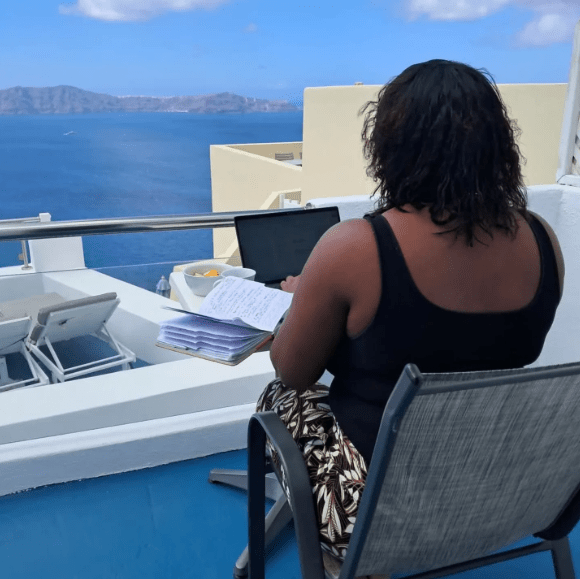
Writing a book as a Caribbean author is never just an act of putting words on a page. It is an act of self‑definition, cultural preservation, emotional release, and intellectual resistance. It is a way of carving out space in a world that often overlooks small islands, small nations, and small voices—yet where the stories themselves are anything but small. For many Caribbean writers, the process of writing becomes a deeply personal journey that transforms how we see ourselves, our region, and our place in the wider world.
First, writing a book gives you a sense of authorship over your own identity. Caribbean people grow up surrounded by narratives that were historically written about us rather than by us. Colonial textbooks, foreign media, and global stereotypes have long shaped how the region is perceived. When you write, you reclaim that narrative power. You get to say, “This is who we are. This is how I see my world.” That act alone is liberating. It allows you to define your own voice, your own truth, and your own interpretation of the Caribbean experience, whether that experience is rooted in Tobago’s quiet villages, Jamaica’s bustling streets, or the multilingual rhythms of the Eastern Caribbean.
Writing also becomes a form of cultural preservation. Caribbean societies are rich with oral traditions, folklore, dialects, proverbs, and ancestral memory. Yet so much of this heritage is fragile, passed down through conversations, songs, and community gatherings that can easily fade with time. When you write a book, you capture these elements in a form that can outlive you. You become a guardian of memory. You ensure that future generations such as children in schools, diaspora communities abroad, or readers who have never visited the region can access the stories, languages, and cultural nuances that shaped your life. In this way, writing becomes an act of safeguarding the Caribbean soul.

On a more personal level, writing a book offers emotional clarity. Caribbean life is layered: joyful yet heavy, vibrant yet complicated, full of contradictions that are sometimes difficult to articulate. Writing gives you a space to process these layers. It allows you to explore your own wounds, triumphs, questions, and transformations. Many Caribbean authors describe writing as a form of therapy. It is an intimate conversation with oneself. Through storytelling, you confront the things you could not say aloud, the memories you tucked away, the dreams you were afraid to claim. The page becomes a safe space where you can be honest without judgment.
Writing also strengthens your intellectual discipline. Crafting a book requires patience, research, structure, and reflection. It forces you to think deeply about your themes, your characters, your arguments, or your message. For a Caribbean author, this intellectual work often means engaging with history, politics, migration, identity, and the legacies of colonialism. It means asking difficult questions about who we are and who we are becoming. The process sharpens your mind and expands your understanding of the region’s complexities. You emerge from the writing journey not only as an author, but as a more informed Caribbean thinker.
Beyond the personal benefits, writing a book positions you within a broader regional and global conversation. Caribbean literature has always been a powerful force from the works of Derek Walcott and V.S. Naipaul to contemporary voices like Marlon James, Safiya Sinclair, and Ingrid Persaud. When you publish a book, you join this lineage. You contribute to the evolving tapestry of Caribbean thought. You add your voice to the global understanding of the region. And you create opportunities for dialogue, critique, and connection with readers across the world.
Finally, writing a book gives you a sense of legacy. Caribbean societies are deeply rooted in the idea of leaving something behind, whether it is land, wisdom, or family traditions. A book becomes part of that inheritance. Long after you are gone, your words remain. They become a testament to your existence, your perspective, and your contribution to Caribbean life. For many authors, this is the most meaningful reward: the knowledge that their voice will continue to echo through time.

Think it. Write it. Publish it.
Your story deserves to be seen, heard, and celebrated. At Books by LR, we empower Caribbean and Global Majority authors to own their voices, their rights, and their creative freedom. From idea to publication, your words can shape worlds.
✨ Freedom. Control. 100% Yours.
📚 Contact us start your publishing journey today.
In the end, writing a book as a Caribbean author is an act of courage, creativity, and cultural affirmation. It shapes you as much as you shape it. It allows you to speak, to remember, to ask questions, to heal, and to dream. And perhaps most importantly, it allows you to leave a mark, one that future generations can read, learn from, and build upon as they continue the ever‑unfolding story of the Caribbean.
So why not write that book that has been on your mind today!


“Writing a book gives you a sense legacy…. . It becomes part of an inheritance. Long after you are gone, your words remain. “
I wholeheartedly agree. Thanks for sharing and inspiring and motivating us to “Keep on Writing!”
LikeLiked by 1 person
Thank you for your feedback
LikeLike