
For many authors, illustrations are more than decorative elements. They are powerful storytelling tools that help readers visualize characters, settings, emotions, and ideas. Whether you’re creating a children’s book, a memoir, a cultural history, or an educational publication, thoughtfully designed illustrations can transform the reading experience and make your book more engaging and memorable.
For Caribbean authors in particular, illustrations present a unique opportunity to celebrate local identities, landscapes, folklore, traditions, and lived experiences in ways that resonate deeply with readers.
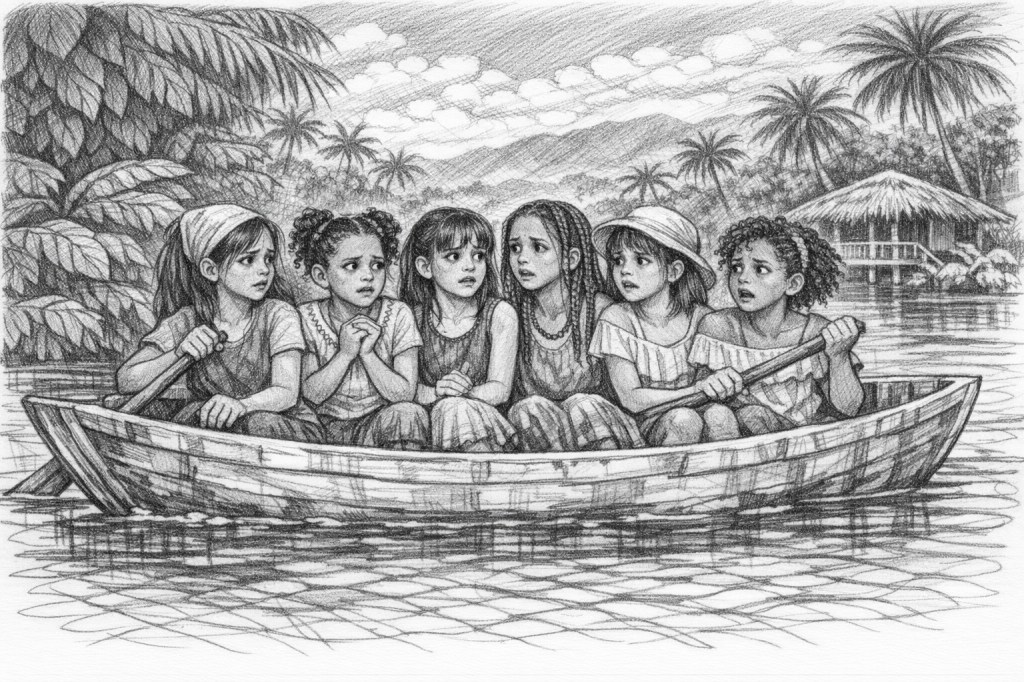
Why Illustrations Matter
Illustrations add value to a book in several ways:
- They strengthen storytelling by helping readers visualize scenes and characters.
- They improve engagement, particularly for younger readers and visual learners.
- They can support accessibility by simplifying complex ideas and concepts.
- They create stronger emotional connections between readers and the story.
- They make books more marketable and visually appealing in both print and digital formats.
For authors documenting Caribbean history, folklore, community knowledge, or cultural heritage, illustrations can capture elements that words alone may not fully convey.
Start with a Clear Visual Vision
Before commissioning or creating illustrations, define the visual style you want throughout the book.
Consider:
- What age group is the book targeting?
- Should the illustrations be realistic, whimsical, cartoon-style, or painterly?
- What cultural details must be represented accurately?
- How many illustrations will you need?
- Will they appear in color or black and white?
Creating a simple visual style guide before production begins can save significant time and expense later in the process.
Common Challenges Authors Face
While illustrations can elevate a book, they also come with challenges.
Maintaining Consistency
One of the biggest issues is keeping characters and visual elements consistent throughout the book. Hairstyles, clothing, skin tones, facial features, and proportions can unintentionally change from page to page.
This becomes even more important when using multiple illustrators or AI-generated artwork.
Managing Costs
Professional illustration can be expensive, especially for fully illustrated children’s books. Authors should budget early and determine whether they need full-page illustrations, spot illustrations, maps, diagrams, or chapter artwork. Illustrations can be very pricey for detailed and accurate work that really appeals to the audience of your book. So take some time to make sure they really match the type of illustrations you want to achieve and the quality of work you will be including in your book.
Cultural Accuracy
For Caribbean stories, authenticity matters. Illustrations should accurately reflect local environments, people, architecture, traditions, and cultural practices. Generic stock imagery often fails to capture this richness. I vividly remember working on an illustration for a soucouyant for a client’s book, and it really took some time to get to a final illustration that we felt truly depicted that strong Caribbean heritage and not a character looking more like a vampire. Taken from “Santa Rita: Echoes from the Village and Beyond” by Arlene Kasmally-Dwarika.
Using AI for Book Illustrations
Artificial intelligence has opened new possibilities for authors working with limited budgets. Tools such as Midjourney, DALL-E, Microsoft Designer, Adobe InDesign and Firefly, and Canva’s AI image generators can help create concept art or even publication-ready images.
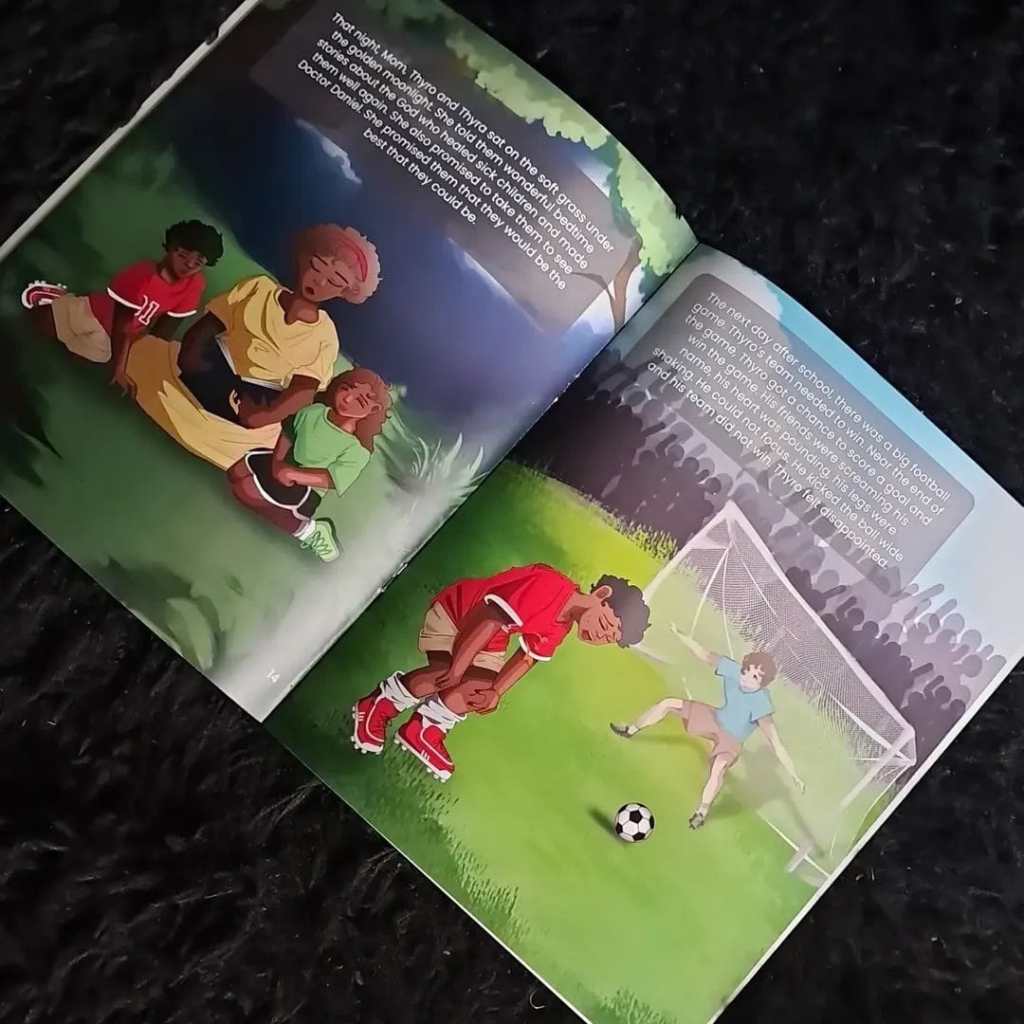
However, AI-generated illustrations require careful management.
Keep Detailed Character Profiles
Create a reference document for every major character, including:
- Age
- Skin tone
- Hair texture and style
- Clothing preferences
- Distinguishing features
- Personality traits
Use these details consistently in every prompt.
For example:
“A ten-year-old Tobago girl with medium-brown skin, natural curly hair in two puffs, wearing a yellow sundress and carrying a woven basket. Illustrated in a vibrant Caribbean watercolor style.”
Saving and reusing the same character description helps maintain continuity across illustrations.
or
“Illustration of a young Tobago schoolgirl walking along a coastal village road, carrying books, surrounded by tropical vegetation and traditional Caribbean homes, vibrant watercolor children’s book style, warm colors, highly detailed.”
The more specific the cultural, environmental, and character details, the more meaningful and consistent the illustrations are likely to be throughout the book.
Build a Prompt Library
Develop a master prompt that establishes the overall artistic direction.
Include details such as:
- Artistic style
- Color palette
- Lighting
- Character descriptions
- Environment
- Mood
Using the same core prompt throughout the project significantly improves consistency.
Create Reference Images
Many AI tools now allow users to upload reference images. Once you have a character design you like, use it as a visual reference for future illustrations to maintain character continuity.
Useful Illustration Tools for Authors
Several tools can support authors through the illustration process:
Canva Pro
- User-friendly design platform
- AI image generation
- Book cover and interior design templates
Chat GPT or Copilot
- Makes Illustration More Accessible and Affordable ( use the free version for a few illustrations), but if you are doing several and need a more in-depth version, use the paid version.
Adobe InDesign and Adobe Firefly
- Commercially friendly AI image generation
- Easy integration with Adobe Creative Cloud
Midjourney
- Strong artistic outputs
- Excellent for conceptual and highly stylized artwork
Microsoft Designer
- Simple AI-assisted image generation
- Helpful for marketing graphics and promotional materials
Procreate
- Popular among professional illustrators
- Ideal for creating original artwork on iPad
Affinity Designer
- Affordable alternative to Adobe Illustrator
- Great for vector illustrations and publishing projects
The Best Approach? Combine Technology and Creativity
Whether you work with a professional illustrator, use AI, or adopt a hybrid approach, the most successful illustrated books begin with a clear vision. Strong planning, consistent character references, cultural authenticity, and careful design decisions will result in illustrations that enhance rather than distract from your story.
At Books by LR, we encourage authors to view illustrations as part of the storytelling journey. The right visuals can deepen reader engagement, strengthen cultural representation, and transform a good book into an unforgettable reading experience.
Because ultimately, great illustrations do more than accompany words. They help bring stories to life.

