
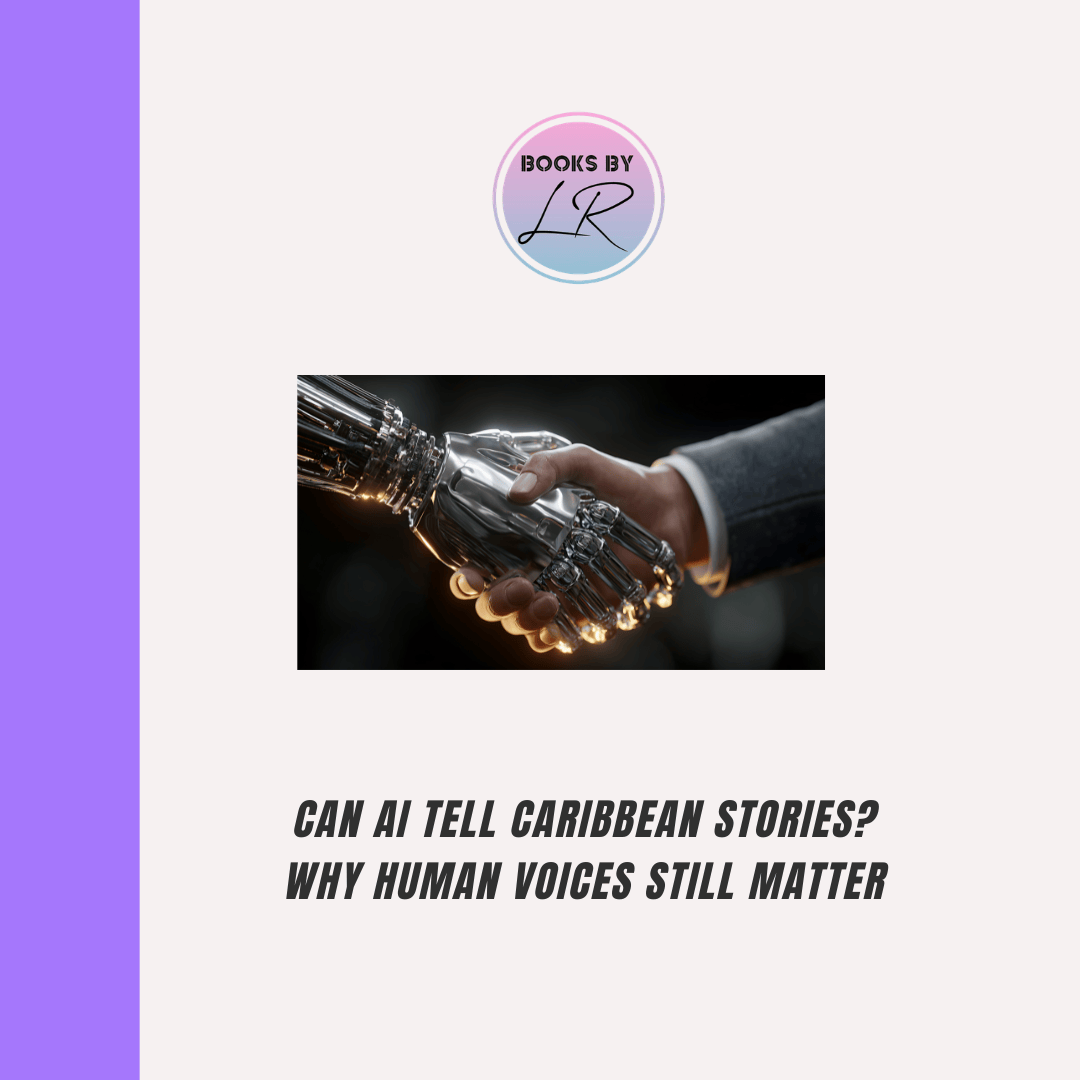
AI can write a poem about Jamaica. It can describe a Caribbean sunset, mention jerk chicken and even use a few patois phrases.
But does it really understand the story? That is a different question entirely.
AI is already changing publishing, from research and editing to marketing and content creation. For Caribbean publishers, these tools can be useful, especially for small teams trying to do more with limited resources.
When it comes to telling Caribbean stories, however, there is something AI cannot replicate, and that is lived experience.
Caribbean identity is layered. It is shaped by history, migration, language, family, music, food and the everyday experiences that don’t always make it into books or databases.
There is a difference between knowing what patois is and understanding why someone juggles between patois and Standard English depending on the situation.
There is a difference between describing Carnival and understanding what it means to be part of it.
AI can recognise patterns. Human writers bring memory, emotion, context and perspective, and this matters for any engaging story.
Whose Story Is Being Told?
There is also a bigger question at hand: who gets to tell Caribbean stories?
If the material AI learns from is largely produced outside the region, our stories can easily be filtered through someone else’s understanding of us. The result may sound Caribbean without actually feeling Caribbean.
That is why Caribbean writers, editors and publishers still matter.
AI can be a tool; it can help us brainstorm, research, edit and reach specific audiences. But AI should not replace the people who understand the culture behind the words.
Caribbean stories are more than regurgitating information- they are memory, they are identity, they are lived experiences. Technology may help those stories travel further, but it is the human voice that makes them ours.

